

Day Trip to Nairobi National Park from Nairobi 2025: Wild Adventure at the City’s Edge
Think of standing just outside Kenya’s bustling main city, where skyscrapers glint in the distance, and, right in front of you, a lion yawns lazily below an acacia tree. Also, the surreal magic of a day trip to Nairobi National Park from Nairobi.
Here is just the place on earth where you can live through a lot of mini-safaris inside, seeing a large city skyline; but just 7 km from the city center, Nairobi National Park offers an easy escape inside the wild—no long drives, no hard itineraries. But you can see lions, rhinos, giraffes, and zebras earlier for lunch and still be back in the city for dinner.
In 2025, this one-day fun thing remains one of Kenya’s most enjoyed experiences—mixing ease, wildlife diversity, and the thrill of the outdoors without the need for a long safari trip.
Why Nairobi National Park Is a Must-See
Nairobi National Park is Kenya’s oldest national park, put up in 1946, and the thing covers around 117 square kilometers of open grassland, wooded savannah, and riverine forest. Despite its humble size, the thing hosts more than 100 mammal species plus 400 bird species.
The place is a sanctuary where black rhinos graze quietly, lions hunt close to the airport’s flying path, and giraffes wander through the golden plains. Also, the contrast between wild savannah and city skyline is what makes things so surprising.
When you’re a close-seeing person looking for a spontaneous weekend escape or a traveler with just one free day in Nairobi, the park offers a real live safari that fits neatly inside your schedule.
How to Get There: Easy and Quick
Getting to Nairobi National Park couldn’t be easier.
- Distance: Close, 7 km (4 miles) from the city center.
- Travel time: Around 15 to 30 minutes, depending on traffic.
- Best going-in point: The Main Gate, close to Lang’ata Path, is the most enjoyed for day visitors.
When you prefer public transport, taxis and ride-share options are ready, but a private car or guided safari transport is perfect for ease and convenience.
Pro End: Start your trip early—close at 6:00 a.m. The ones when animals are most moving, and the golden light paints the savannah prettily for photography.
Planning the Perfect Day Trip
Here’s an easy structure to make the most of your day:
When of Day Things to Do Highlights 6:00 a.m. Also, 9:00 a.m. Morning Play Drive Lions, rhinos, buffalo, sunrise photos 9:00 a.m. Also, 1:00 a.m. Bird Watching & Scenic Views Ostriches, eagles, herons, city skyline background 1:00 a.m. – 1:00 p.m. Picnic or Lunch End Designated picnic areas or lodge eating places 1:00 p.m. Also, 3:00 p.m. Outdoors Walk or move to look at close attractions. Pet Orphanage or Safari Walk 3:00 p.m. Also, 5:00 p.m. Day Center Drive Back Elephants, giraffes, antelope herds
Here, a bendable timeline ensures you live through a lot of it in a day in the park, still leaving space for relaxation.
Wildlife Highlights: What You’ll See
The park’s small size doesn’t limit its niceness; you can expect to meet most of Africa’s famous animals but not elephants (which are held out to end habitat hurt).
Large Mammals:
- Lions—a lot of times spotted early in the morning lounging on termite mounds.
- Black Rhinos—a keeping winning tale; here the park hosts one of Kenya’s biggest populations.
- Buffalo, Zebra, and Giraffe—easy path seen in open plains.
- Cheetahs and Leopards—rarer, but now and then seen during quiet hours.
Smaller Residents:
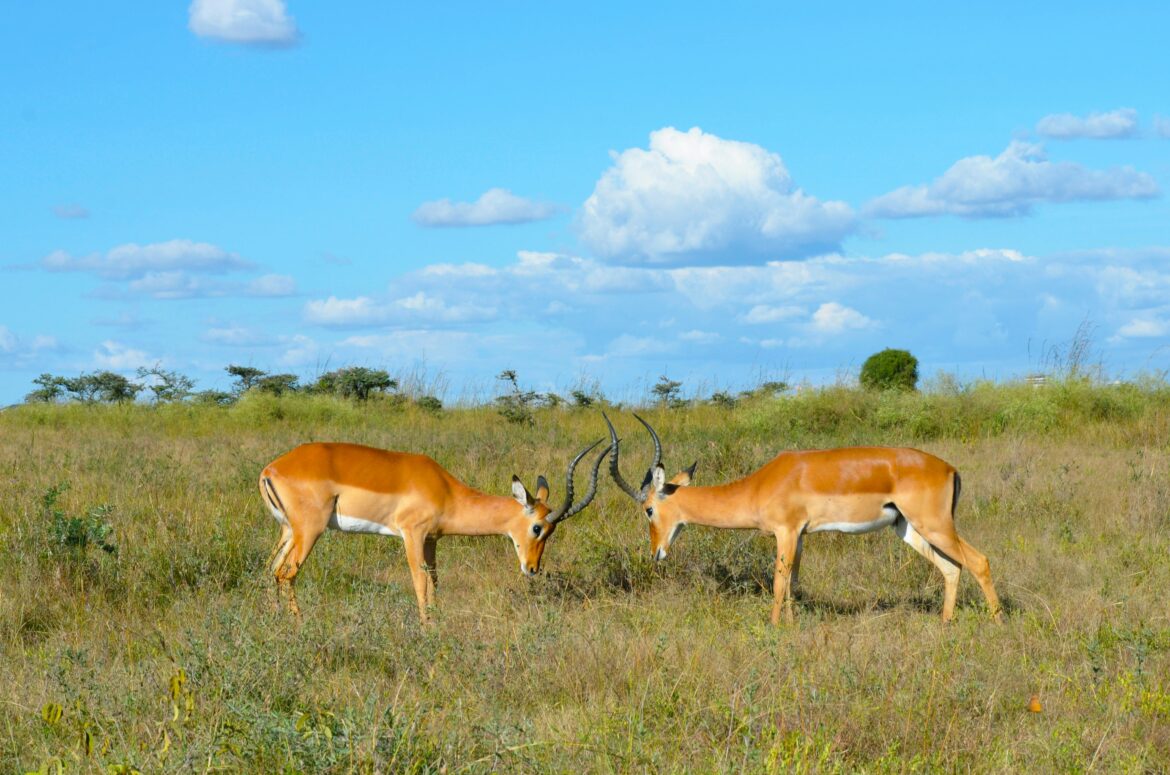
Warthogs, impalas, gazelles, and hyenas add to the play. Also, the park’s mix of open grassland and bush makes spotting wildlife and shocking paths easy.
Birdlife:
More than 400 birds live in the park—including ostriches, helper birds, vultures, and a lot of colorful bee-eaters. During migration season, you could nicely place Eurasian near there.
Best When to Move: Nairobi National Park
You can like the park all year round, but each season offers a different life to live through.
Season Months: What to Expect in the Dry Season June—Month 10 & January–March Best for playing; grass is shorter; roads are dry. Wet Season Month 1 – Month 12 & Month 4 – May Lush, pretty land, migratory birds, newborn animals, but muddy tracks
Morning and evening drives are perfect for less warm weather and moving wildlife. Midday warmth tends to cause animals to retreat to shaded areas.
A Morning Safari: Where the Doing Begins
The early hours are clean magic. Like the first light filters above the plains, the silhouettes of giraffes and zebras come out against the going-up sun.
Predators like lions and hyenas are mostly moving earlier as temperatures move up, and rhinos a lot of times graze close to the tracks. Also, with a bit of chance, you’ll hear the low roar of a lion echoing through the still air—a fun reminder that you’re in the wild. Also, it’s minutes from a city center.
When you’re visiting with a work guide, they’ll help explain pet behavior, name tracks, and place the transport for perfect shots.
Lunch and Picnic Spots: Refuel in the Wild
Near mid-morning, the sun begins to warm the savannah. Also, the one knows the perfect time to rest and refuel.
The park offers partly scenic picnic sites and rest areas with benches and shade, but the most enjoyed spots are in areas overlooking the plains or close to acacia groves, where you can enjoy your meal while listening to nearby bird calls and, now and then, wildlife sightings.
When you prefer a sit-down meal, part-close lodges and eating places offer outside eating with panoramic views of the park—a quiet path to end the day earlier than the day center drive.
End: Store all food safely and dispose of waste responsibly to hold safe the park’s ecosystem.
Day Center Adventures and Scenic Views
Later at lunch, the park slows down on the small path, but there’s still a lot to like. Also, here is the best time to move to look at the Ivory Shooting Place Monument, a symbolic space where Kenya once split confiscated ivory to complain about poaching. The thing’s a strong reminder of the nation’s keeping legacy.
You can also end in Hippo Pools, where you could place hippos resting in the liquid and crocodiles basking close. Also, the close riverine forest is home to monkeys, hornbills, and weavers that structure intricate nests.
End your day with a. Drive beside the park’s perimeter, watching the sun dip back into the skyline—seeing the one pretty path that blends wilderness and the new Nairobi.
What to Bring for Your Day Trip
Packing right makes a large difference.
- Binoculars—for close-up views of birds and far-off animals.
- Camera—with more batteries and a zoom lens for wildlife shots.
- Light coat—mornings can be cool.
- Hat, sunglasses, and sunscreen—must-haves for the midday sun.
- Reusable liquid bottle and snacks—stay hydrated and energized.
- Easy dress—center colors help you mix inside the world around you.
- Park map or guidebook—for easy navigation.
Nairobi Safari Walk and Pet Orphanage
When you own more when. Your play drive and two close attractions add depth to your day trip live-through.
Nairobi Safari Walk
A raised-up boardwalk is the one that lets you watch animals on foot—perfect for learning about Kenya’s ecosystems and seeing smaller nice things up close.
Nairobi Pet Orphanage
A rehabilitation center for hurt or rescued animals, owning lions, cheetahs, and monkeys. Also, things are at a dead end for families and enthusiasts.
Those sites are next to the park and can easily fit inside your one-day schedule.
Helpful Tips for First-Time Visitors
- Get there early—Wildlife can most often be seen between 6 a.m. Also, at 9 a.m.
- Use a trustworthy guide or trip driver—they know the terrain and pet habits.
- Stay within your transport—two things are a rule and a safety necessity.
- Move later park rules—Avoid loud noises, littering, or off-path driving.
- Get cash or machine payment for going-in fees, and can choose experiences.
- Check the weather—rain can make part-soil roads slippery.
- Be waiting—Wildlife seeing is unpredictable but rewarding.
Home-Good Safari Ideas
A day trip to Nairobi National Park from Nairobi is perfect for families. Kids love spotting giraffes, zebras, and buffalo up close, but bring binoculars they can use—this keeps them involved and builds curiosity around keeping.
A lot of picnic sites own safe, open spaces for children to stretch their legs. The ClosePet Orphanage is also teaching, introducing young visitors to the importance of holding wildlife safe.
Help kids to note animals they look at—things that turn the day inside out, involve a lot of play, and create lasting memories.
Nairobi Skyline Meets the Wild: A Photographer’s Dream
Photographers a lot of times say Nairobi National Park is a place where “city and savannah move hands.” From sure vantage points, you can frame a rhino grazing with downtown skyscrapers in the background—a contrast found no place else on Earth.
Golden hours at sunrise and sunset give the best lighting for play, like photos. Also, bring a telephoto lens for far subjects, and check with silhouettes for creative shots.
Not forgetting, the best images come from staying—staying quietly for the one perfect moment. Light, look, and wildlife line up.
In price tourism and keeping
The park faces challenges: city encroachment, traffic force, and changing migration patterns. Yet the thing stands like a worldwide model for city keeping—proof that wildlife and city life can coexist.
Visitors play a key part in protecting her. Move after the park’s guidelines, respect boundaries, and help where you live. Programs are the ones that help coexistence between persons and wildlife.
Each path in cost, picture shared, and tale said helps reinforce the park’s worth and the broader work to hold safe Kenya’s natural heritage.
A lot of Asked Questions (FAQ)
Q1: Can I move to Nairobi National Park without a guide?
Yes, self-drives are allowed, but employing a close guide or driver enhances your life. Guides know where animals are moving most and can explain their behavior.
Q2: How long should I plan for a lot of days in the park?
A complete move mostly takes 6 to 8 hours, including morning and day center drives and a lunch split.
Q3: Are there restrooms and facilities within the park?
Yes, part picnic, and the rest stops own restrooms, shaded areas, and trash bins.
Q4: Is the park right for children and old travelers?
All. The park’s nice roads and short travel distance from the city create things that are easy to reach for visitors of all ages.
Q5: Can I see all of the Big Five in Nairobi National Park?
Not all, but the park owns lions, buffalo, rhinos, and leopards but no elephants. For a complete Big Five safari, you’d need to move to bigger parks like Amboseli or Maasai Mara.
Ending: The Safari You Didn’t Expect
A day trip to Nairobi National Park from Nairobi is proof that one fun thing doesn’t always need distance. In minutes, the hum of traffic fades, replaced instead by the shout of eagles and the rustle of grass in the wind.
You’ll come face-to-face with wild Africa—without leaving the city. From sunrise safaris to quiet picnic moments, each life in the park tells a tale of coexistence, resilience, and wonder.
So, the next time you’re in Nairobi and craving the outdoors, skip the long trip. Also, just head south, past the airport, and step inside a world where lions rule below a skyline; but the thing is, the wild edge of the city is something you’ll not ever forget.